


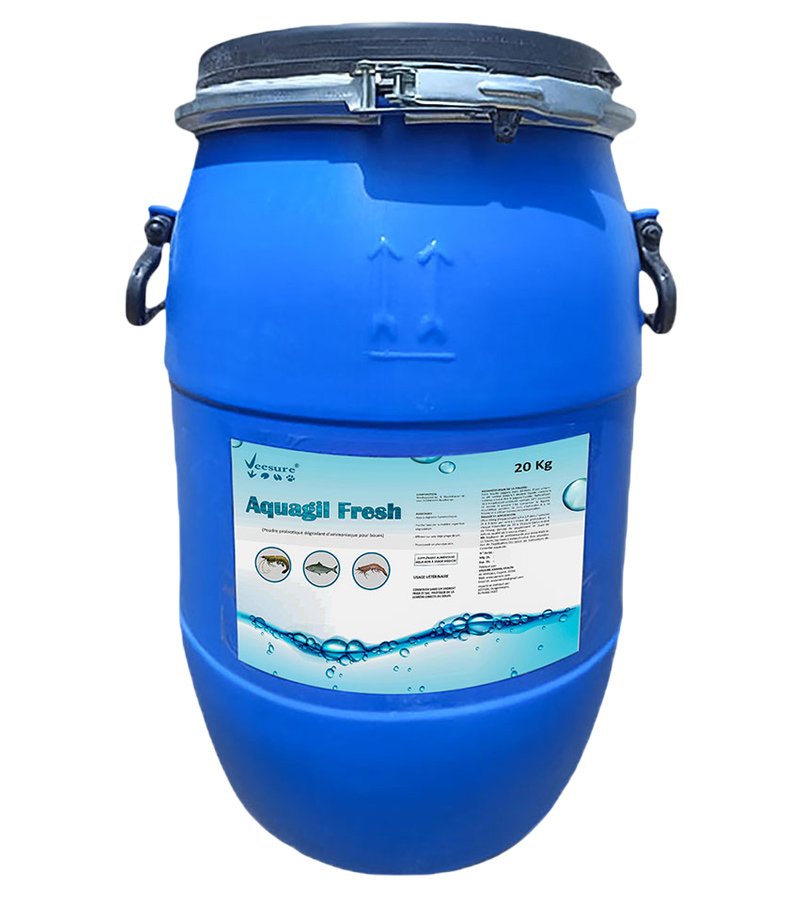
Aquagil Fresh
Probiotic for pond bottom and soil improvement. The Pond bottom contains Organic load, Excessive feed, Un- utilized feed, molted exo-skeleton,dead algae which are rich in Protein, Carbohydrates. They also produce toxin gases like ammonia/hydrogen sulfide which damages Shrimp/Fish Culture
Composition:
Rhodococcus sp. & Rhodobacter sp. with 5 Different Bacillus sp.
Benefits:
- Prevents formation of sludge and black soil, reduces toxic gases and improve water quality
- Reduce gases like Ammonia /H2S/Nitrate
- Improves resistance of pathogens specially vibrio in pond.
- Purifies water by organic manner degradation (Sludge).
- Effective in high range of pH and salinity.
- Helps in converting ammonia to non-toxin.
- Promotes growth of healthy plankton as a feed supplement.
Dosage and Application:
(For aquaculture ponds) 1.0 to 2.0 ppm/week (4 to 8 liters per acre at 1 meter depth) at 10 to 15-day intervals (Depending on the condition of the pond, stocking density and culture days, and water source quality)
Note: Apply preferably during the day between 8:00 a.m. and 11:00 a.m. Paddlewheels must be turned on during application. OR as directed by the Aquaculture Advisor
Presentation
20 Kg HDPE drum
Target Species:
Fish, Shrimp
SEND US A MESSAGE
CONTACT INFORMATION

Call Us

Email us

Veesure Animal Health
3, Kalindi, C.G.Road, Ahmedabad - 380006, Gujarat, India.
Do you have questions about our products? Send us an email and we’ll get in touch shortly.
Related products
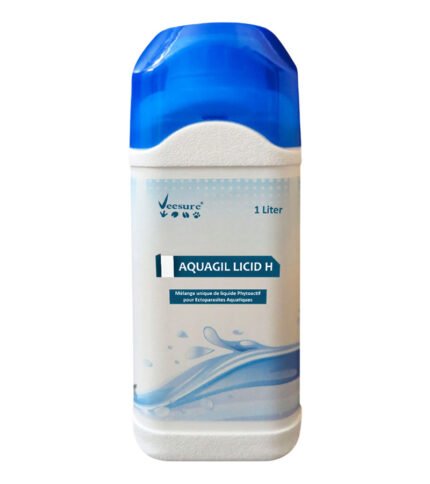
Aquagil Licid H
Unique Blend of Phytoactives Liquid for Aquatic Ectoparasites
Aquagil Licid H is a blend of essential oils and plant extracts effective against argulus Lice, Lernaea and Caligus rogercresseyi
Benefits:
- Effective in Control of Adult and spore condition of Fish Lice (Argulus) in culture fishes
- Effectively controls argulus by disrupting the life cycle of parasite at reproductive stage
- Clears reddening or inflammation on the fish body, fins and raised scales
- Cures swelling and open wounds of fish
- No effect on water quality parameters of Pond
- Treats ulcers and open wounds and rapidly repairs damaged, split or ragged fins and tails
Dosage & Administration:
| Day | In Pond | Through Feed |
| Zero | 1 Litre/acre | 100 ml /ton |
| 2nd | - | 100 ml/ton |
| 15th (re-infestation of Lice is seen) | 500 ml/acre | 100 ml/ton |
| 15th (re-infestation of Lice is notseen) | - | 100 ml/ton (Repeat once on 17th day) |
Presentation:
1 litre HDPE BottleTarget Species:
Fish, Shrimp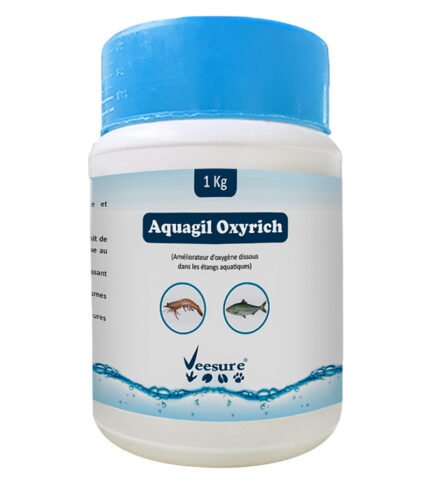
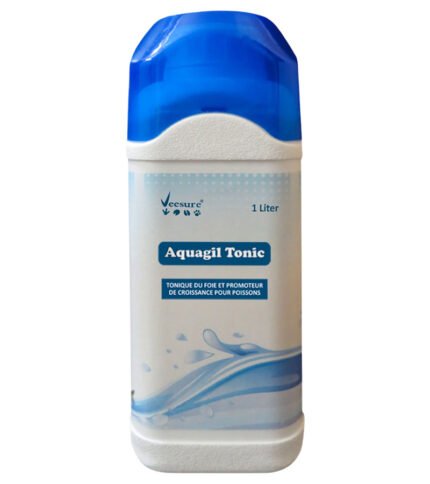
Aquagil Tonic
Liver tonic and growth promoter
Composition
Contains VitaminB1, Vitamin B2, Vitamin C, Vitamin B6, DL-Methionine, Sorbitol, Folic acid, Betaglucans, Glycine, Iron, Copper, Selenium.Benefits
Prevents and controls all types of liver diseases/yellow liver (Jaundice Disease) and growth promoter in FishesDosage
1 to 5 ml per kg of feed for 3 to 7 days depending on need and condition or as directed by Aqua Nutritionist.Presentation:
1L HDPE BottleTarget Species:
Fish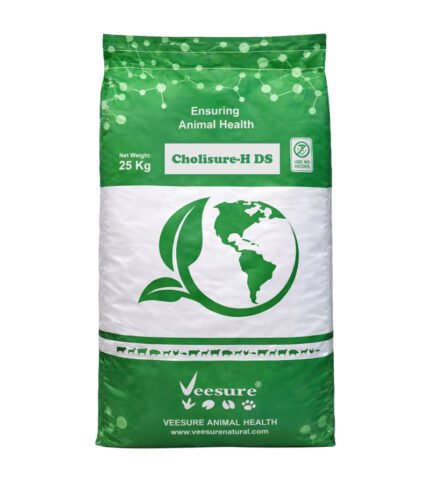
Cholisure-H DS
Natural Choline Source with Double Strength
Benefits:
- Provide optimum activity of choline or optimum health & productivity
- Improves energy metabolism and controls fatty liver syndrome
- Maintains vitamin quality in feed and premixes
- Optimizes health and livability
- Maintains carcass quality & carcass yield
Feed Inclusion Rate:
Broilers: 125 to 200 g/ton of feed Layers: 75 to 175 g/ton of feed Swine: 50 to 200 g/ton of feed Cattle: 75 to 250 g/ton of feed Fish: 175 g to 375 g/ton of feed Sheep & Goats: 20 to 60 g/ton of feed Or as directed by nutritionist/consultantPresentation:
25 kg HDPE coated paper bag having inner & outer linerTarget species:
Poultry, Swine, Cattle, Sheep, Goat, Fish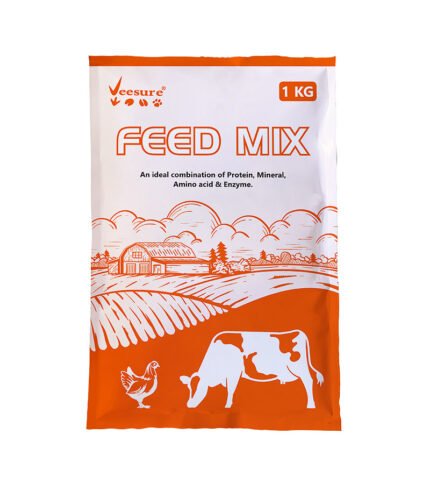
Feed Mix
An ideal combination of Protein, Mineral, Amino acid & Enzyme
ADVANTAGE:
- Enhance growth and production by acting as a growth promoter.
- Ensure better digestion by providing the necessary enzymes.
- Prevents the growth of pathogenic bacteria by acting as a probiotic.
- Increase feed and water intake.
- Promote better development of the digestive tract.
- Reduce mortality.
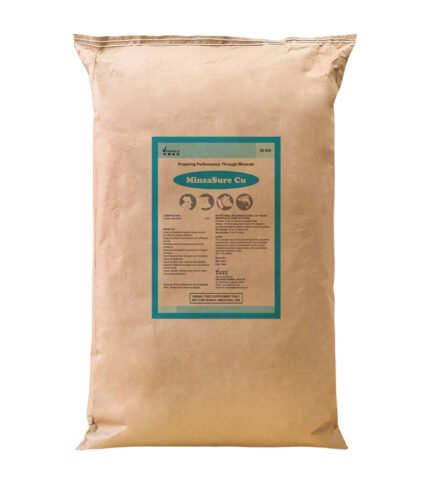
MinzaSure Cu
Powering Performance Through Minerals
COMPOSTION:
Each Kg Contains:
Copper Glycinate
BENEFITS:
- Highly bioavailable organic copper source for efficient mineral utilization
- Supports growth performance and metabolic activity
- Promotes immune response and animal resilience
- Supports hemoglobin synthesis and oxygen transport
- Contributes to bone strength and connective tissue development
- Improves skin, claw, and foot pad integrity
- Supports eggshell formation and reproductive performance
- Helps maintain optimal trace mineral status during high production
- Poultry: 10 to 15 mg/kg of complete feed
- Swine: 15 to 20 mg/kg feed (Up to 150 mg/kg for growth promotion in piglets, subject to local regulation)
- Ruminants: 10 to 15 mg/kg DM
- Aquaculture: 5 to 10 mg/kg
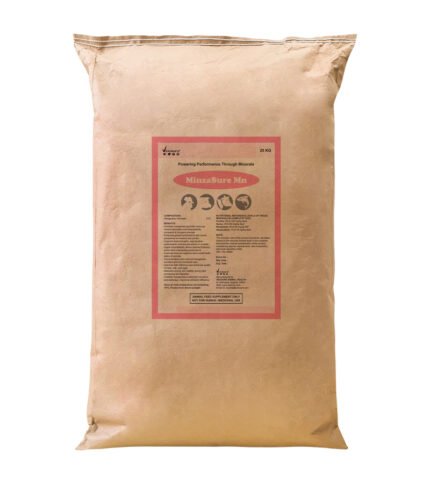
MinzaSure Mn
Powering Performance Through Minerals
COMPOSTION:
Each Kg Contains:
Manganese Glycinate
BENEFITS:
- Chelated manganese glycinate improves mineral absorption and bioavailability compared to inorganic sources
- Enhances growth performance and overall productivity in livestock and poultry
- Supports bone formation, reproductive performance, and enzyme activity in animals
- Higher bioavailability allows reduced inclusion levels while maintaining performance
- Improves immune response and overall health status of animals
- Improved absorption reduces manganese excretion and environmental load
- Improves feed efficiency and enhances quality of meat, milk, and eggs
- Maintains activity and stability during feed processing and digestion
- Chelated manganese is absorbed via amino acid pathways, improving utilization efficiency
- Poultry: 60 to 100 mg/kg feed
- Swine: 30 to 50 mg/kg feed
- Ruminants: 40 to 60 mg/kg DM
- Aquaculture: 10 to 30 mg/kg feed
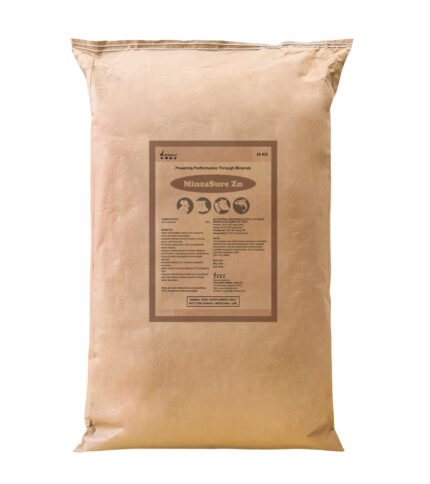
MinzaSure Zn
Powering Performance Through Minerals
COMPOSTION:
Each Kg Contains:
Zinc Glycinate
BENEFITS:
- Highly bioavailable organic zinc source for improved mineral absorption
- Supports normal immune function in poultry, swine, and ruminants
- Promotes healthy skin, hoof, and epithelial tissue integrity
- Supports optimal growth and feed efficiency
- Contributes to normal reproductive performance
- Supports bone development and skeletal strength
- Essential cofactor for numerous metabolic enzymes
- Helps improve mineral utilization in the digestive tract
- Supports overall animal health and productivity
- May help reduce mineral excretion through better absorption
- Poultry: 40 to 100 mg/kg feed
- Swine: 80 to 120 mg/kg feed
- Ruminants: 30 to 60 mg/kg DM
- Aquaculture: 30 to 70 mg/kg feed